

Eco Tips for a Greener Year

Back to School, Saba Style
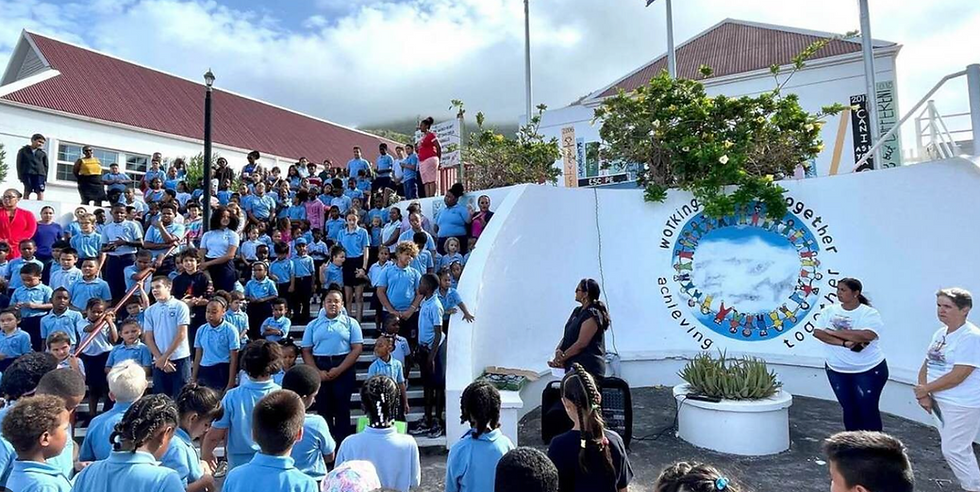
It’s that time again—backpacks are being stuffed, pencils sharpened, and the school buses are ready to roll. But this year, why not make your school routine a little greener? On Saba, where nature surrounds us on all sides, small eco-friendly choices add up fast—and they can be surprisingly fun!

Cool Supplies, Less Waste
Before you dive into class, think about your supplies. Reusable notebooks, refillable pens, and pencils from sustainable sources are easy ways to reduce waste. And if you need a backpack, lunchbox, or other gear, check out the Red Cross Thrift Shop first. Buying second-hand stuff keeps useful items out of the trash, saves you money, and makes you an eco-hero. Bonus: old notebooks, art supplies, and uniforms can get a second life too!
Lunch Like a Pro
Even if most of your meals come from the cafeteria, you can still make eco-friendly choices. Bring a reusable water bottle, take only what you can eat, and enjoy fresh island fruits and veggies when possible. Eating local not only supports Saba’s farmers and fishers—it’s tasty too!


Ride Smart
Riding the school bus? You’re already helping the planet! Buses keep lots of cars off the road, cutting emissions. And for short trips, walking, biking, or carpooling with friends is an easy way to make an even bigger difference.
Learning Outside with Sea & Learn

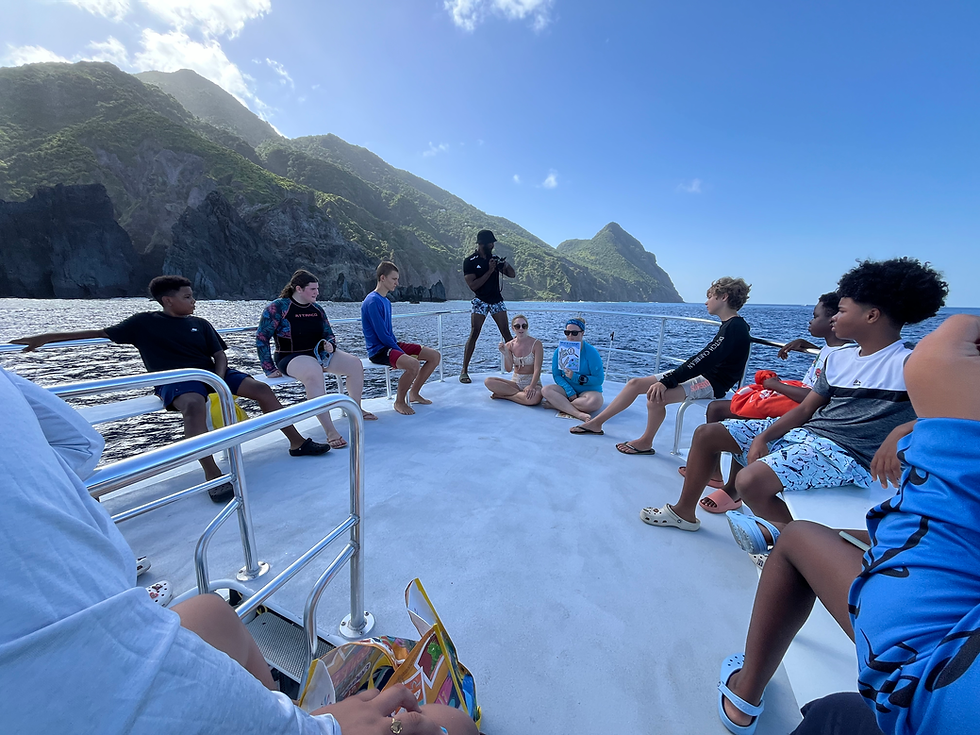
Some lucky students get hands-on outdoor learning with Sea & Learn. Sixth grade Science SEAkers explore Saba’s forests, trails, and marine areas, and in October, students of all ages join in for fun, guided adventures with scientists. These trips show just how amazing our island’s plants, animals, and reefs really are—and why protecting them matters.
Small Steps, Big Impact
Going green doesn’t have to be complicated. Bring your reusable water bottle, switch off lights, or pick up a piece of litter. Every small step makes Saba cleaner, greener, and more beautiful—and makes you a local eco-champion.
Supported by NEPP: protecting nature, reviving resources, sustaining our islands.


Comments